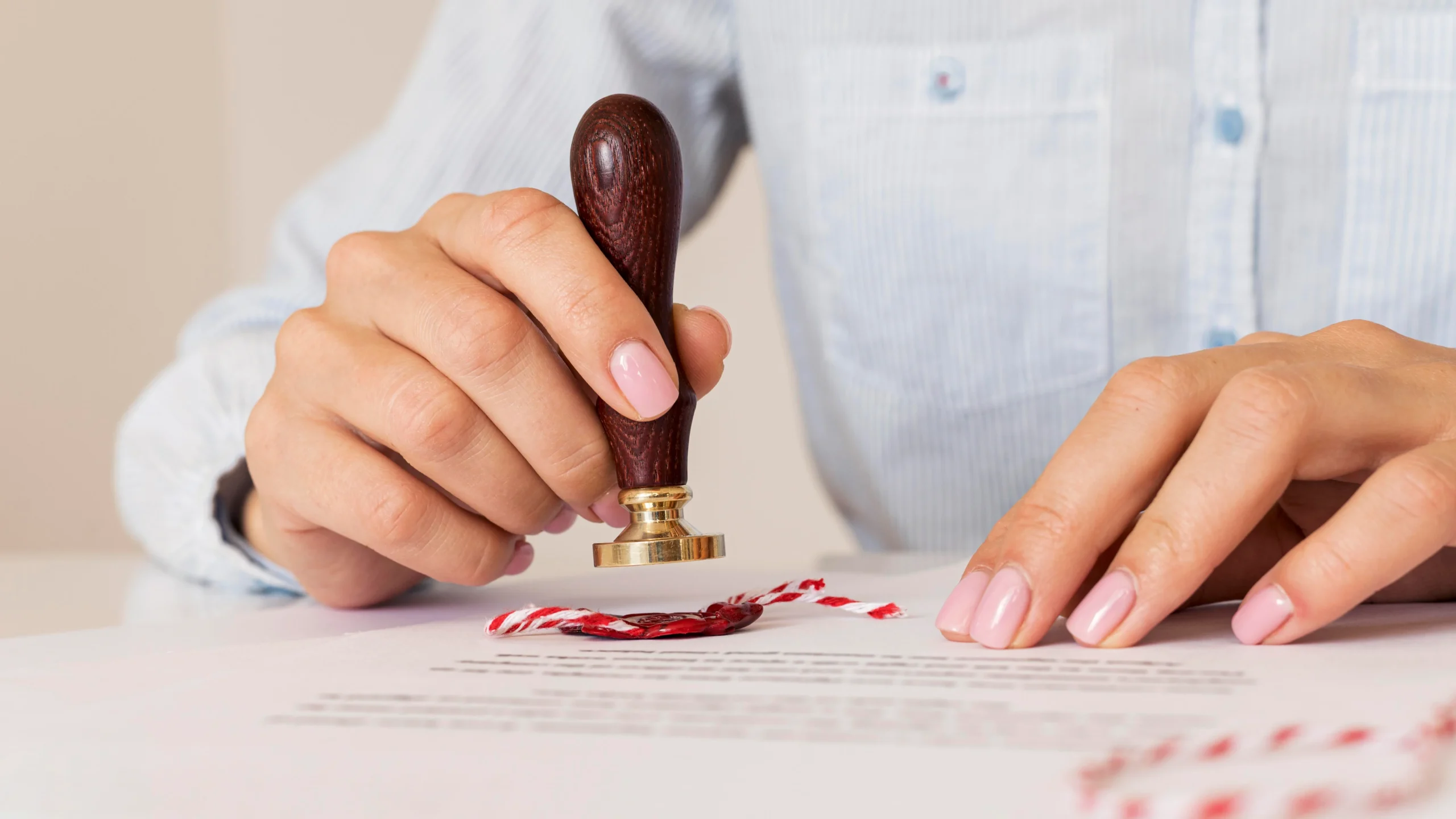
The cost of getting a patent in the United States can range from a few hundred dollars in basic USPTO fees to tens of thousands of dollars when attorney fees, patent searches, drawings, prosecution, and other expenses are included.
There is no single price for a patent. A simple design patent can cost considerably less than a complex utility patent. Your total cost also depends on whether you qualify as a small or micro entity, whether you hire a patent attorney, how many Office Actions you receive, and how much work is needed to prepare and prosecute the application.
Current USPTO fees are only one part of the total expense. For example, the USPTO currently lists a utility patent basic filing fee of $350 for a regular entity, $140 for a small entity, and $70 for a micro entity. Separate search and examination fees also apply.
Private legal services can make the total much higher. One current legal resource estimates overall patent costs at roughly $2,000 to $70,000 or more depending on the patent type and complexity, while another patent law source estimates approximately $15,000 to $30,000 for many utility patent matters from filing through grants.
What Determines the Cost of a Patent?
Several factors affect how much a patent costs.
Type of Patent
The first major factor is the type of patent you need.
The USPTO recognizes three main types:
- Utility patents
- Design patents
- Plant patents
Utility patents protect the way an invention works, how it is made, or how it is used.
Design patents protect the ornamental appearance of an article.
Plant patents protect certain new and distinct plant varieties.
Utility patents generally require more detailed technical work and can therefore be significantly more expensive to prepare and prosecute.
Complexity of the Invention
A straightforward mechanical invention may require less work than a complex pharmaceutical, biotechnology, software, or electronics invention.
More complicated inventions may require:
- Extensive technical descriptions
- Multiple patent drawings
- Prior art research
- Detailed claim drafting
- More attorney time
- Responses to multiple Office Actions
- Examiner interviews
- Amendments to claims
The more complex the application, the more expensive professional preparation and prosecution can become.
Patent Attorney Fees
Attorney fees are often one of the largest parts of the total cost.
Patent attorneys may charge flat fees for certain stages or hourly rates for prosecution and other legal work. Super Lawyers reports that patent attorneys can charge approximately $150 to $1,200 per hour, depending on the attorney and matter.
For this reason, two inventors filing similar applications can end up with very different total costs.
USPTO Government Fees
Government fees are another part of the expense.
For a nonprovisional utility patent, the USPTO generally requires filing, search, and examination fees. The exact amount depends on entity status and other application factors.
Applicants may qualify for reduced fees as a small entity or micro entity.
How Much Does a Patent Application Cost?
The cost of the initial patent application depends heavily on the type of application.
Provisional Patent Application
A provisional patent application can be a lower-cost way to establish an early filing date before filing a nonprovisional application.
However, a provisional application is not itself a granted patent. It provides a 12-month period in which the applicant can pursue a corresponding nonprovisional application.
The professional cost can vary widely depending on how much technical and legal work is required. One patent law firm currently lists provisional application services starting around $3,300 plus applicable USPTO and vendor fees.
Nonprovisional Utility Patent
A nonprovisional utility patent is substantially more involved.
The cost may include:
- Patent attorney or agent fees
- Patent search
- Technical drawings
- USPTO filing fee
- USPTO search fee
- USPTO examination fee
- Office Action responses
- Examiner interviews
- Amendments
- Issue fee
For many utility patent applications, professional fees can represent the majority of the total cost.
One current patent law source estimates initial utility patent preparation costs for small entities starting around $6,800 for low-complexity matters, $8,900 for medium complexity, and $12,000 for high complexity, before later prosecution costs.
How Much Does a Design Patent Cost?
Design patents are generally less expensive than utility patents because they focus on the ornamental design rather than the functional aspects of an invention.
The total can still vary depending on:
- Number and quality of drawings
- Attorney involvement
- USPTO fees
- Application complexity
- Responses to USPTO correspondence
One current patent law source estimates approximately $2,000 to $4,000 for a design patent from start to finish in many small-entity situations.
These are private-market estimates, not fixed USPTO prices.
How Much Does It Cost to File a Patent Without a Lawyer?
If you file a patent application yourself, you can avoid attorney fees, which can substantially reduce the upfront cost.
The USPTO does not require every applicant to hire a patent attorney. Applicants can prepare and file their own applications.
However, avoiding attorney fees does not mean the application is free.
You may still need to pay:
- USPTO filing fees
- Search fees
- Examination fees
- Drawing costs
- Patent search expenses
- Issue fees
- Maintenance fees for applicable patents
For example, the current USPTO fee schedule lists the basic utility patent filing fee at $350 for a regular entity, $140 for a small entity, and $70 for a micro entity. Search and examination fees are separate.
The bigger issue is the risk of making a costly mistake.
Patent claims determine the scope of protection, and poorly drafted claims can reduce the value of an otherwise good invention. A professional patent attorney or registered patent agent can help with claim drafting, prior art analysis, prosecution strategy, and responses to USPTO objections.
Can You Get a Patent for Free?
Generally, no.
You can prepare an application yourself and avoid attorney fees, but USPTO fees and other potential expenses still apply.
You may also have to pay for professional drawings, searches, translations, or other services depending on your application.
If you qualify for small-entity or micro-entity status, certain USPTO fees can be substantially reduced.
Patent Cost Breakdown
A patent budget can include several different expenses.
| Cost | What it covers |
| USPTO filing fee | Submitting the patent application |
| Search fee | USPTO examination of prior art |
| Examination fee | Examination of the application |
| Attorney fees | Preparation and legal prosecution |
| Patent search | Researching existing patents and publications |
| Drawings | Technical or design illustrations |
| Office Action response | Responding to USPTO objections or rejections |
| Issue fee | Fee due when a patent is allowed |
| Maintenance fees | Keeping an issued utility patent in force |
The USPTO fee schedule is the best source for current government fees because amounts can change over time.
How Much Does a Patent Cost to Maintain?
The answer depends on the type of patent.
For U.S. utility and reissue utility patents based on applications filed on or after December 12, 1980, maintenance fees are required to keep the patent in force. Design and plant patents do not require these maintenance fees.
Under the current USPTO fee schedule, the maintenance fees for a regular entity are:
- 3.5 years: $2,150
- 7.5 years: $4,040
- 11.5 years: $8,280
Reduced fees are available for qualifying small and micro entities.
These payments are important because failing to pay the required maintenance fee can cause a utility patent to expire.
The USPTO allows payment during specified windows and provides a six-month grace period after the regular deadline, subject to a surcharge.
Patent Maintenance Costs by Year
| Maintenance point | Regular entity | Small entity | Micro entity |
| 3.5 years | $2,150 | $860 | $430 |
| 7.5 years | $4,040 | $1,616 | $808 |
| 11.5 years | $8,280 | $3,312 | $1,656 |
These are current USPTO maintenance fees listed in the fee schedule and can change in the future.
How Much Does a Patent Cost From Start to Finish?
There is no universal total.
A design patent may cost a few thousand dollars in a relatively straightforward case. A utility patent can easily cost many thousands of dollars and may reach tens of thousands when professional preparation and prosecution are included.
One current source estimates:
- Design patent: approximately $2,000 to $4,000
- Utility patent: approximately $15,000 to $30,000
Another current source places the broader range at approximately $2,000 to $70,000 or more, depending on complexity and legal services.
These figures should be treated as planning ranges rather than guaranteed prices.
Why Utility Patents Cost More
Utility patents generally require significantly more work.
A utility application must explain how the invention works and include claims defining the legal scope of protection.
During examination, the USPTO may issue one or more Office Actions. Each response can require additional attorney work.
According to one current patent law firm’s cost estimates, prosecution after the initial utility filing can range from several thousand dollars to more than $13,000 depending on the number of Office Actions and other complications.
This is one reason the answer to how much does a patent cost cannot be reduced to the USPTO filing fee alone.
What Is an Office Action and Why Can It Increase Patent Costs?
An Office Action is a formal communication from the USPTO during examination.
It may raise issues such as:
- Prior art
- Lack of novelty
- Obviousness
- Claim language
- Specification problems
- Drawing requirements
- Formal application requirements
Responding may involve amending claims, submitting arguments, conducting an examiner interview, or providing additional information.
Each additional round of prosecution can increase attorney and professional fees.
Does a Patent Search Add to the Cost?
Yes. A professional patentability search can add to the overall cost, but it can also help identify existing patents and publications before you invest heavily in an application.
A search may help you evaluate whether your invention appears sufficiently different from existing technology.
The USPTO also provides public tools for searching patent information, allowing inventors to conduct preliminary research themselves.
However, a professional patentability search and legal analysis are different from simply searching a patent database.
Does Hiring a Patent Attorney Increase the Cost?
Yes, but professional help can also reduce certain risks.
A patent attorney can help with:
- Patentability analysis
- Prior art searches
- Application preparation
- Claim drafting
- Patent drawings
- USPTO prosecution
- Office Action responses
- Examiner interviews
- Appeals
- Patent strategy
Super Lawyers notes that attorney fees are an important part of total patent costs and that patent attorneys can charge substantially different rates depending on experience and the complexity of the work.
The right question is therefore not only “How much will a patent attorney cost?” but also whether professional assistance is appropriate for the invention and the value you are trying to protect.
Patent Cost: DIY vs. Attorney
| Option | Potential advantage | Potential drawback |
| DIY filing | Lower professional fees | Greater risk of drafting errors |
| Patent agent | Technical patent assistance | Does not provide the same legal services as an attorney |
| Patent attorney | Legal and patent expertise | Higher cost |
| Full-service patent firm | Broad support from search through prosecution | Highest potential cost |
For a simple matter, a DIY approach may reduce upfront expenses.
For a commercially valuable or technically complicated invention, professional assistance may be worth considering.
How to Reduce Patent Costs
There are several ways to manage patent expenses.
Determine Whether You Need a Patent
Not every idea needs patent protection.
Consider the commercial value of the invention, expected market life, competitors, manufacturing costs, and the likely value of exclusive rights.
Check Your Entity Status
Qualifying small and micro entities may receive reduced USPTO fees. Confirm your eligibility before filing.
Conduct Preliminary Research
Searching existing patents before investing heavily in an application can help you identify potential problems earlier.
Prepare Before Hiring an Attorney
Organize technical information, drawings, development records, and explanations of how your invention works.
Better preparation can make professional work more efficient.
Get a Clear Fee Estimate
Ask what the quoted fee includes.
Find out whether it covers:
- Patent search
- Application drafting
- Filing
- Drawings
- Office Action responses
- Examiner interviews
- Issue fees
- Additional prosecution
A low initial quote may not represent the eventual cost of obtaining the patent.
Is a Patent Worth the Cost?
A patent can be valuable when the invention has meaningful commercial potential and exclusive rights provide a business advantage.
However, patent protection is not automatically profitable.
The total cost should be compared with:
- Expected sales
- Licensing opportunities
- Competitive advantage
- Manufacturing potential
- Market size
- Expected product life
- Enforcement costs
Super Lawyers cites an attorney estimate that only a small percentage of patents are ultimately commercialized, highlighting why inventors should evaluate the business case before spending heavily on patent protection.
Patent vs. Trademark vs. Copyright
Patents are only one type of intellectual property protection.
A patent generally protects an invention.
A trademark protects identifiers such as brand names, logos, and other source-identifying marks.
A copyright protects original creative works.
Understanding the distinction is important because you may need more than one type of protection for a single business.
For example, a company could potentially have:
- A patent protecting a new product mechanism
- A trademark protecting the product’s brand name
- Copyright protecting original software, artwork, or written content
Learn more in our guide to Trademark vs Copyright vs Patent.
How Long Does a Patent Last?
Patent duration depends on the type of patent and the applicable filing rules.
Generally, a U.S. utility patent has a term of approximately 20 years from the relevant nonprovisional filing date, subject to adjustments, extensions, and other legal rules.
Design patents have different terms.
The cost of obtaining a patent should therefore be considered alongside the length of protection and the commercial value of the invention.
For a detailed explanation, see how long does a Patent last?
Frequently Asked Questions
Is Getting a Patent Worth It?
Yes, a patent can be worth it if your invention has strong commercial value or licensing potential. It can give you exclusive rights and help prevent others from using your invention without permission. However, you should compare the potential business value with the cost of obtaining and maintaining the patent.
Does a Poor Man’s Patent Work?
No. A “poor man’s patent,” such as mailing your invention description to yourself, does not provide patent protection. It does not replace filing a patent application with the USPTO. A valid patent requires following the proper patent application process.
What Are the 5 Requirements of a Patent?
The main requirements include patentable subject matter, utility, novelty, non-obviousness, and adequate disclosure. An invention must meet these requirements to qualify for patent protection. Meeting them does not automatically guarantee that the USPTO will grant the patent.
What’s the Cheapest Way to Get a Patent?
The cheapest option is usually filing the patent application yourself and paying the required USPTO fees. You may also qualify for reduced fees as a small or micro entity. However, professional help can be valuable because errors in patent claims can limit the protection you receive.
Final Thoughts
The answer to how much does a patent cost depends on the invention and the path you take to protect it.
A basic DIY filing can cost much less than a professionally prepared and prosecuted application. At the other end of the range, complex utility patents can cost tens of thousands of dollars from initial preparation through grant.
Before filing, consider the type of patent, USPTO fees, entity status, attorney costs, patent search expenses, potential Office Actions, and long-term maintenance.
Most importantly, do not evaluate patent cost in isolation. Compare the expected cost of protection with the commercial value of the invention and the competitive advantage a patent could provide.